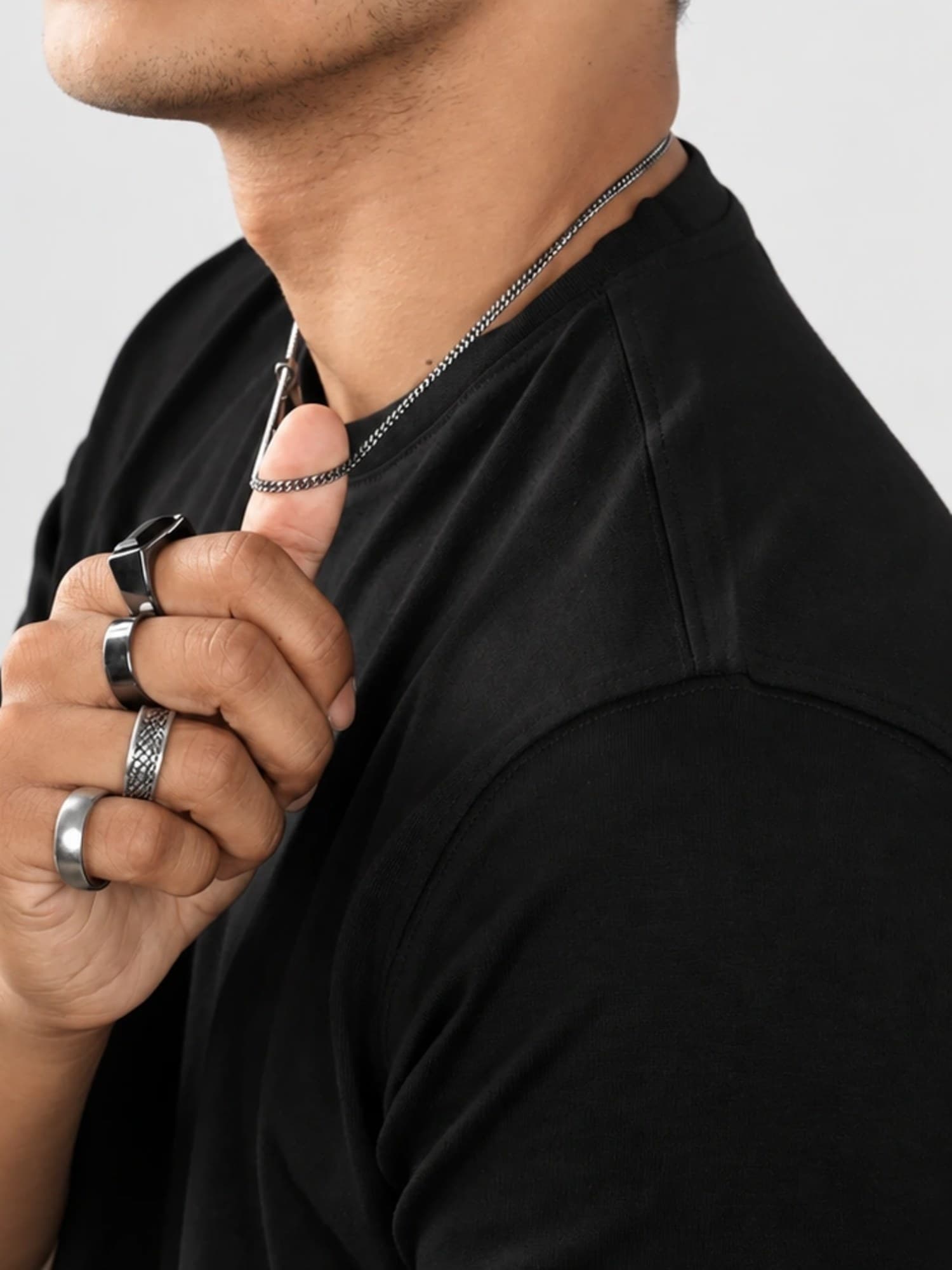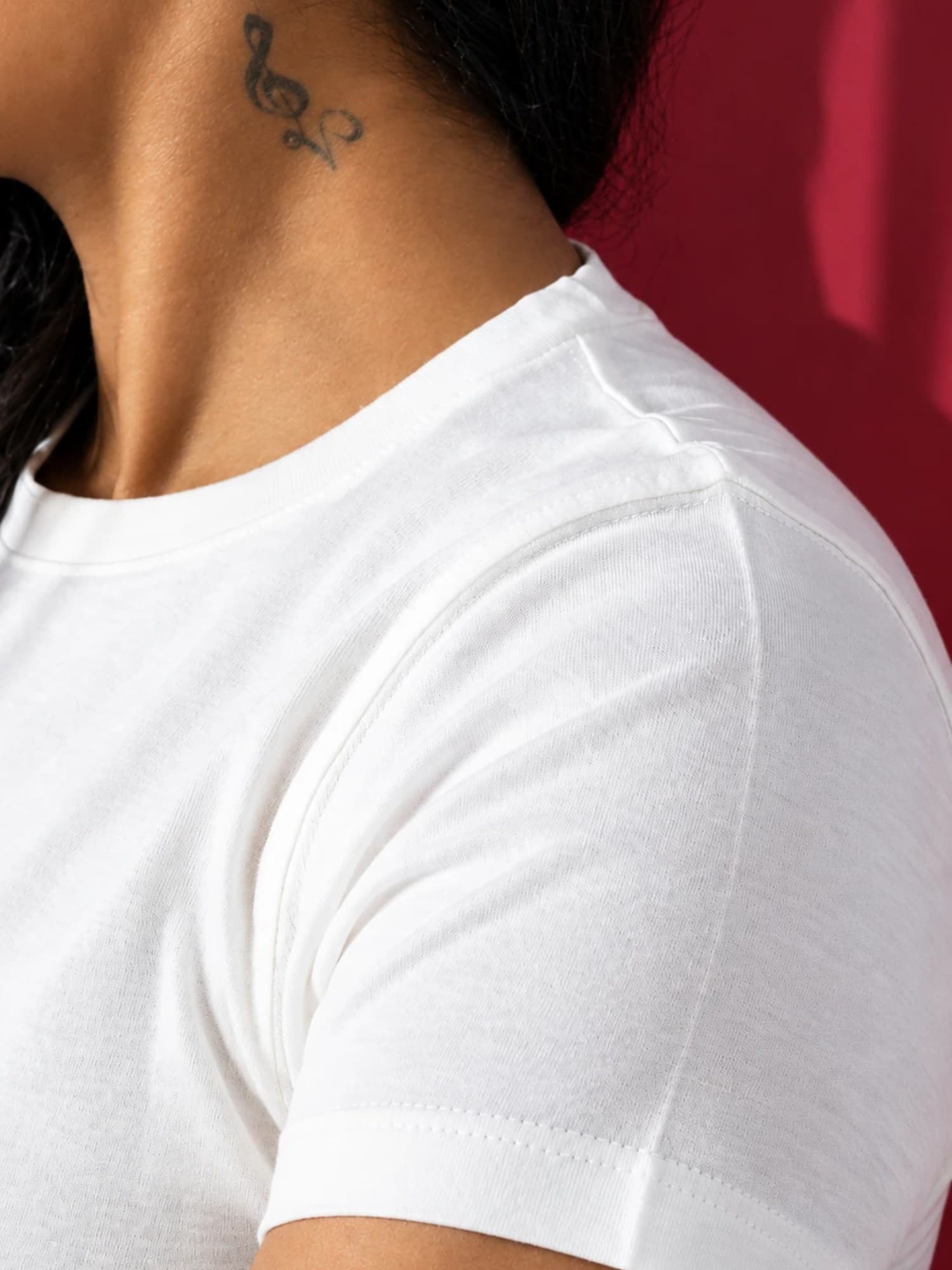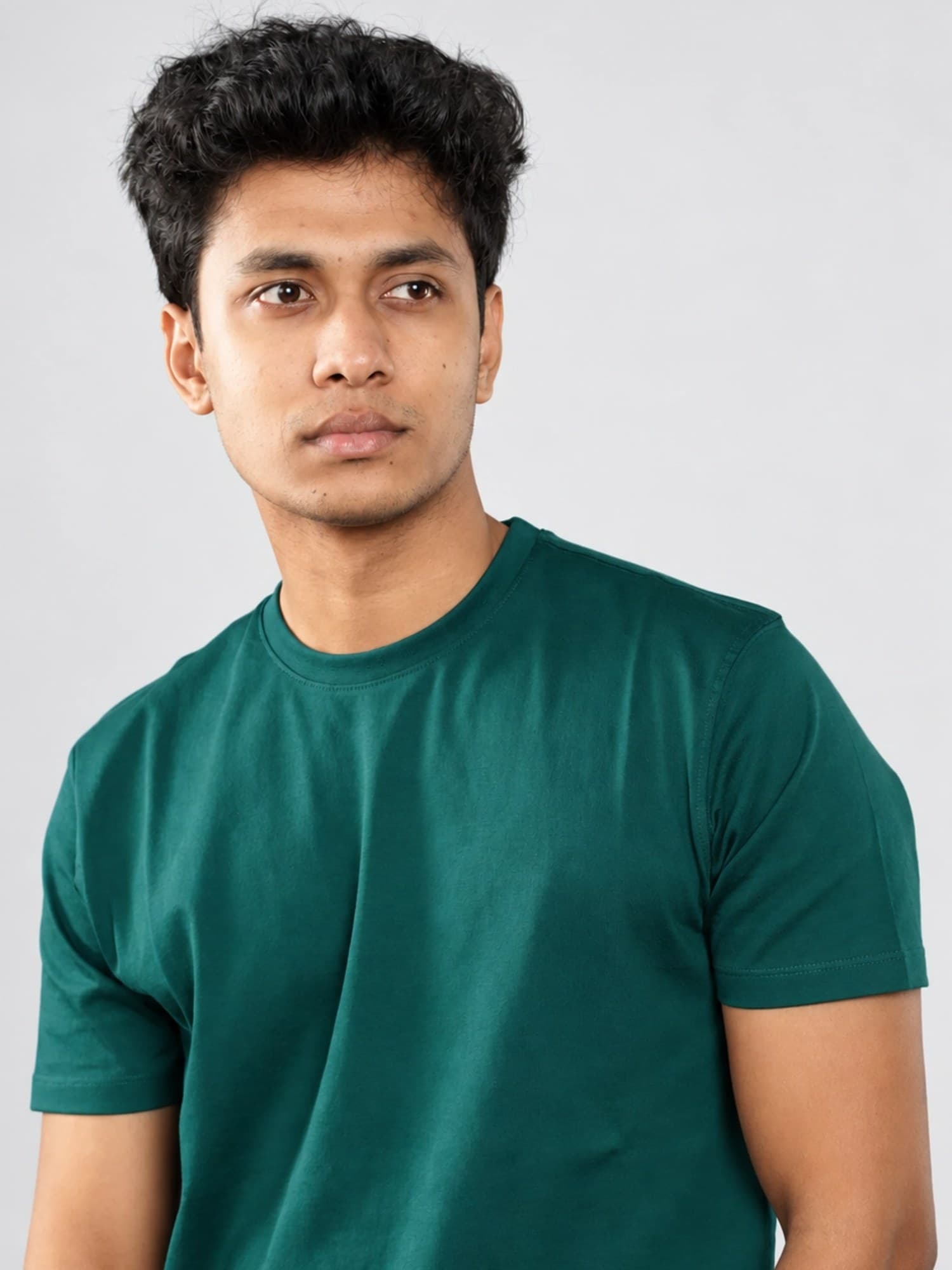
From humid Mumbai monsoons to dry 45°C afternoons in Delhi, Indian summers are hard on clothes. The t-shirt that feels fine in an air-conditioned shop can feel like a plastic bag on the walk home. Here is what actually keeps you cool: the fibre, the weight, the knit, the colour and the fit.
Choose a cotton t-shirt in a light single jersey of about 150–180 GSM, in a relaxed fit. Cotton absorbs sweat and lets air through, and at that weight a good long-staple cotton is light without turning see-through. Keep polyester for the gym and heavier knits for air-conditioned rooms and evenings.
Cotton, polyester, linen and blends compared
| Fabric | In humid heat | Sweat | Best for |
|---|---|---|---|
| Cotton | Breathes, feels soft on damp skin | Absorbs it; stays fresher for longer | Everyday wear, office, travel |
| Polyester | Can feel clammy and warm when you are not moving | Wicks and dries fast, but tends to hold odour | Workouts and sport |
| Linen | Very airy | Absorbs and dries quickly | Shirts more than tees; creases easily |
| Cotton-polyester blend | In between | Dries faster than cotton, less soft | Budget and uniform tees |
Why cotton suits Indian heat
- It breathes. Cotton fibres let air and moisture move through the fabric, so heat does not build up against your skin.
- It absorbs sweat. Cotton takes up moisture rather than leaving it sitting on your skin, and it feels soft even when damp.
- It is gentle on skin. A natural fibre is less likely to irritate in prickly heat than many synthetics.
The kind of cotton matters too. Long-staple cottons such as Supima spin a finer yarn, so the fabric can be light and still opaque, and it stays soft through a summer of daily washing. See Supima vs regular cotton.
The right GSM for summer
GSM is fabric weight in grams per square metre. For summer t-shirts, aim for 140–180 GSM. Below about 140 GSM, most tees turn see-through and cling when wet. Around 180 GSM is the sweet spot: cool, but substantial enough to hang well and stay opaque. From about 220 GSM up, a tee or polo feels warmer, which suits air-conditioned offices and evenings better than an afternoon outdoors. More in what GSM means.
Knit, colour and fit
- Knit. Single jersey, the knit of most round necks, breathes better than dense double knits. Among polos, piqué is a little airier than interlock: see interlock vs piqué.
- Colour. Light colours reflect more sunlight outdoors. White and black hide sweat marks better than grey, which shows them most.
- Fit. A relaxed fit lets air move between fabric and skin. Too tight and the tee sticks; a little elastane helps it keep its shape without clinging.
Keeping summer tees fresh
Wash after every wear in summer, in cool water and inside out, and dry in the shade: strong sun fades colour faster than washing does. Go easy on fabric softener, which can coat cotton and make it absorb less. The full routine is in how to wash Supima cotton.
What Abraca makes for summer
The Lokee round neck is built for warm days: 95% Supima cotton with 5% elastane in a 180 GSM single jersey, for men and women. The Gutmann polo is a heavier 240 GSM interlock, made for offices, evenings and travel rather than midday sun. Both are made from panels washed before sewing, so they keep their fit through a summer of washing.
Summer t-shirt questions
Which fabric is best for t-shirts in summer?
Cotton, in a light single jersey of about 150–180 GSM. It breathes, absorbs sweat and stays comfortable on damp skin.
Is polyester good for summer?
For workouts, yes: it dries fast. For everyday wear in humid heat, cotton usually feels fresher, and it holds less odour.
What GSM t-shirt is best for summer?
140–180 GSM. Around 180 GSM gives the best balance: cool, but not see-through.
Which colour t-shirt is coolest in summer?
Light colours reflect more sun outdoors. If sweat marks bother you, white and black hide them better than grey.
Is Supima cotton good for summer?
Yes. It is a breathable cotton, and its fine yarn makes a light fabric that stays opaque. Abraca's Lokee round neck is a 180 GSM Supima jersey.